The ECGI blog is kindly supported by

Sustainable Investing Deserves Better Diagnostics
Greenwashing scandals, culture wars, and a much-discussed Financial Times film asking who killed the ESG party could not bring down sustainable investing. Sustainably invested assets now stand at a record $3.7tn, according to Morningstar. Much of that rise reflects market gains rather than new money, yet most investors have stayed put.
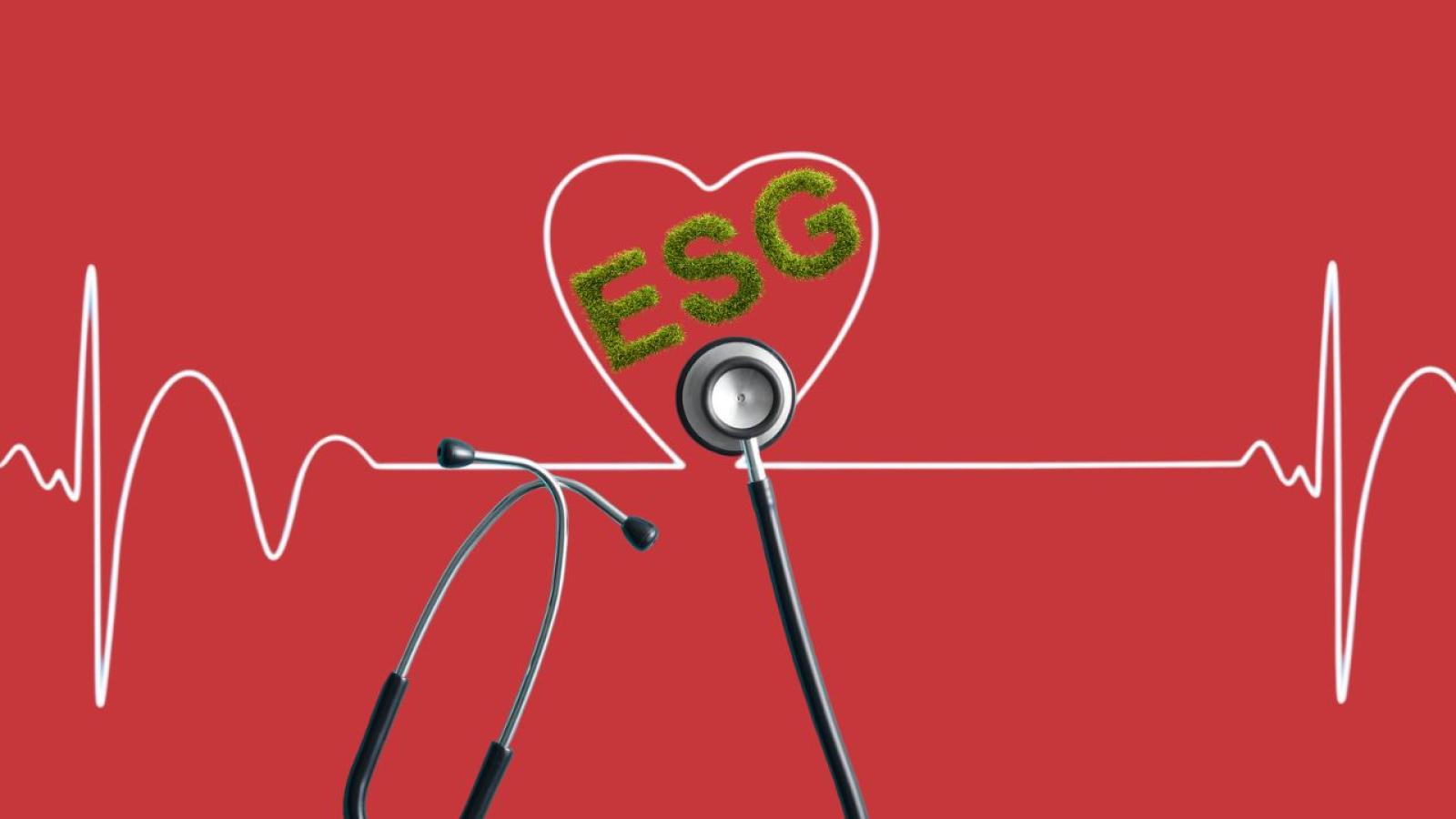
But survival is not the same as success. Beneath the record lies a challenge: the tools that decide which companies count as sustainable often cannot tell harm from help. Screening is where sustainable investing succeeds or fails – the diagnosis before the treatment – and the dominant diagnoses are unreliable.
ESG ratings do not measure impact
Consider ESG ratings. In my lectures I like to show four company logos and ask the audience to raise their hands if each belongs in a sustainable portfolio, judging only on its environmental and social impacts. First, British American Tobacco: no hands. Then Glencore, which pleaded guilty in 2022 to a bribery scheme US prosecutors called staggering: no hands. Third, SunPower, a solar pioneer: all hands go up. Finally, Evoqua, which keeps industrial wastewater clean: all hands up.
Then the twist: BAT and Glencore hold top ESG ratings while SunPower and Evoqua rank bottom.
Anecdotes are nice, but evidence is better. In my academic research I tested whether ESG ratings capture companies' sustainability performance – as judged by investors' revealed preferences and the European Commission's criteria. Across 6,600 companies and four providers, the ratings barely distinguished either harmful companies or solution providers from the rest of the market.
The practical consequence is stark. Imagine you are an investor. You take a global equity index and drop the worst quarter of companies by one leading ESG rating. You would still own 73 per cent of the companies that asset owners exclude over human rights violations, tobacco or thermal coal, and 16 of the 17 companies the European Commission identifies as causing severe environmental damage. You would also miss many firms that solve sustainability problems.
To be fair, this is not a malfunction. Most ESG ratings were never designed to measure whether a company contributes to a better world. They assess financial materiality – whether sustainability issues threaten a company’s own profits and risk profile – and at that job they can be useful. But sustainability has two sides: how the world affects a company and how the company affects the world. Sustainable investing should deliver on the second, and there ESG ratings fall short.
Targeting specific themes can lead investors astray
Partly in response, investors have shifted from acronyms like ESG to concrete themes such as climate change, biodiversity, or wellbeing. For instance, in 2022 The Economist argued that ESG should be boiled down to one measure: emissions. That logic has taken hold, and decarbonising portfolios has become a prime objective of sustainable investing.
But what happens when you steer a portfolio on emissions alone? You may penalise the very companies whose products cut emissions elsewhere: wind turbine manufacturing and lithium mining are essential to the energy transition, yet carry a substantial carbon footprint. Moreover, emissions data are historic. Used in isolation, an emissions screen can penalise high emitters that are making significant investments to decarbonise. What you additionally need is forward-looking data: is the company investing in the transition? Take Algoma Steel, which looks like a heavy polluter today, but its spending on electric arc furnaces is expected to materially reduce its emissions. And, by focusing solely on carbon, investors blind themselves to other sustainability challenges: unhealthy food, biodiversity loss, addictive algorithms.
The two failures share a cause. ESG ratings reduce sustainability to a single lens, financial materiality; single-theme screens reduce it to a single topic. Both mistake a plural problem for a single thing – and a single lens makes a poor guide to a complex world.
Towards better sustainability diagnostics
Better sustainability screening requires three things. First, breadth: a screen must evaluate a company's impact across multiple sustainability goals at once. A manager may still steer toward a chosen theme, but the underlying screen must be able to catch the harms the theme ignores. Second, direction: it must weigh both where a company stands today and where it is heading. Third, a floor. Breadth alone is not enough: a wide screen can still let a strong score in one place cancel out serious harm in another, so grave harm should disqualify a company rather than be netted away. All three must be grounded in sustainability science.
Run the companies from my lectures through such a screen and the hands in the room are vindicated. BAT fails the harm floor because its core product damages health. Glencore's governance record drags its score into negative territory. SunPower and Evoqua score well because their products advance clean energy and clean water. And Algoma Steel is judged not solely on its carbon footprint, but also on the electric furnaces it is building.
None of this is out of reach. Assessments that come close already exist, from scores measuring companies against the UN Sustainable Development Goals to metrics built to capture the transition. I should declare an interest: I build such tools at an asset manager. But the point holds whoever makes it. The task now is not to keep arguing about ESG, but to demand better diagnostics. Asset owners can write them into mandates; index providers can build them into benchmarks. And as EU negotiators reshape the Sustainable Finance Disclosure Regulation, they should ensure its new fund categories rest on screens that can tell harm from help. Sustainable investing has survived its critics. Whether it delivers real impact depends on getting the diagnosis right before prescribing the treatment.
Jan Anton van Zanten, PhD is Head of Sustainable Investing at Osmosis Investment Management NL and a Visiting Fellow at Erasmus University. His book, Big Money, Better World? Rethinking Sustainable Investing for Real Impact, is published by Palgrave Macmillan.
The ECGI does not, consistent with its constitutional purpose, have a view or opinion. If you wish to respond to this article, you can submit a blog article or 'letter to the editor' by clicking here.