The ECGI blog is kindly supported by

Globalization, National Security, and Challenges to Corporate Governance for a Local Company with International Significance
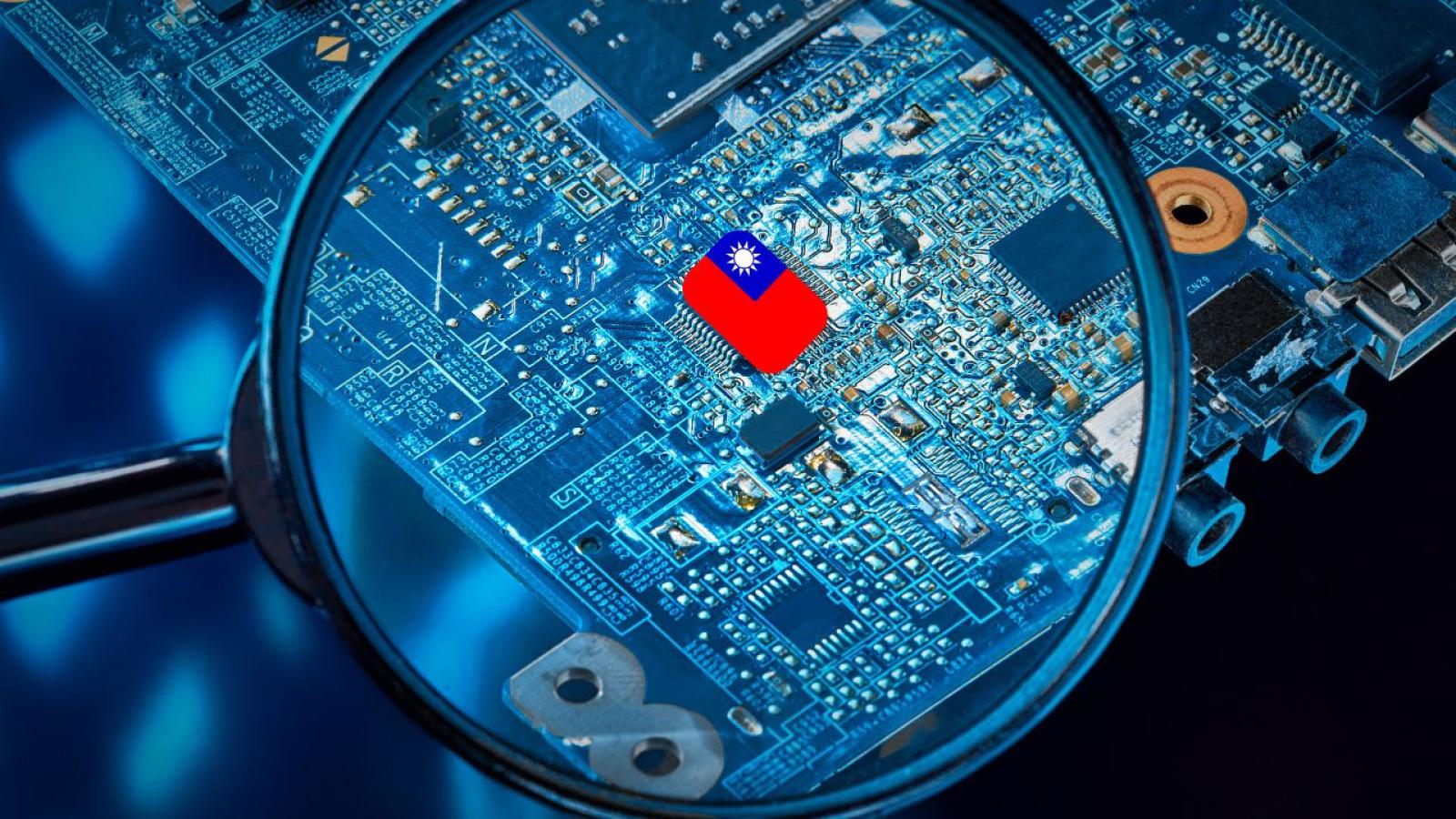
How to navigate global supply chains, multi-national companies, and cross-border talent flow amid geopolitical conflict and national security concerns? This is one of the challenges facing Taiwan Semiconductor Manufacturing Company (TSMC).
TSMC is currently the world’s largest and the most dominant contract chipmaker, producing semiconductors chips for a wide range of applications from artificial intelligence (AI) and electronic devices to cars and home appliances. Although TSMC does not sell consumer products or market goods under its own brand, the chips it produces are behind the recent AI boom, data centers, and all sorts of smart devices. Despite the company’s global reach, its headquarters and most of its manufacturing facilities (the so-called ‘fabs’) remain in Taiwan, a country that is on the front line of US-China rivalry. The chip shortage during COVID-19 highlighted the company’s importance to the world’s economy.
Given its business model and strategic importance in the global supply chain of electronic products, TSMC presents unique corporate governance challenges that do not appear in most other companies. First, because TSMC’s primary customers are based in the United States, the company cannot remain insulated from American influence. On the commercial side, it must satisfy the demands of American tech giants such as Nvidia, Apple or Google. On the political side, the company occasionally contends with political tension. For instance, President Trump has repeatedly claimed that Taiwan stole US chip technology.
Second, TSMC’s origin in Taiwan puts the company at the center of potential geopolitical conflict, as Taiwan faces constant military threat from Mainland China. The nature of TSMC’s business and technological expertise exposes it to the interests of major political powers, given the sensitivity of TSMC’s certain high-end chips used in advanced applications. On the one hand, the company may be subject to US regulations, such as the Export Administration Regulations, especially when selling chips to certain countries. On the other hand, China may also want to acquire TSMC’s technology and facilities in order to produce advanced chips.
Third, there is also the factor of national pride and national security. For a lot of Taiwanese, TSMC represents not only a flagship company but also a national champion. TSMC is among the largest companies in the world in terms of market capitalization, and the fact that it comes from a small island turns the company into a source of national pride. In addition, given the company’s strategic importance in the global supply chain the company is commonly referred as Taiwan’s ‘Divine Protector Mountain’ in reference to China’s aggression. Therefore, TSMC’s business decisions can easily become a politically sensitive issue within the island.
Taken together, these factors pose a serious challenge to the board and senior management to navigate the muddy water of global supply chains, national concerns, and geopolitical pressure. The challenge could be exemplified by the TSMC’s decision to make billions of investments in building new Fabs in Arizona, United States. Given that many of TSMC’s key clients are US-based tech companies, such a decision appears to be rational. It may also be seen as a goodwill gesture to the Trump Administration, thereby easing some business and political pressure coming from America. However, such a move also raises concerns in Taiwan over losing its Protector Mountain to the US into ‘A-SMC’, in light of national pride and Taiwan’s security concerns.
On this basis, it is worth to note the governance structure of TSMC. According to its website, more than half of the company’s board members are independent directors, most of whom report their nationality to be either US or UK (nationality reporting is required by the Taiwan Stock Exchange). The board composition reflects not only the company’s corporate governance standards but also its position as a dominant player in the global supply chain. However, amid geopolitical conflict, it is anyone’s guess how such a diverse board (at least in terms of nationality and background) may approach a significant corporate decision like making huge investments in the US. For instance, would local directors (including a government nominee) prioritize national interests ahead of the firm’s long-term business development? As a matter of law, should local directors be allowed to consider national interest (i.e. Taiwan’s) ahead of the company’s interest? In contrast, is it right if foreign directors ignore Taiwan’s interests? To push further, is it possible that a director may be affected by any patriotic feelings in favor of his/her home country? We have no detailed board meeting minutes to see how the board considers and discusses matters of this nature during its meetings. There is also no proof that local and foreign directors behave unprofessionally. Hence, any argument or suggestion is purely hypothetical.
Nevertheless, the company presents an interesting case to observe how the traditional wisdom of corporate governance such as independent boards, diversity, and fiduciary obligations might interact with a complex world given the company’s size and strategic importance. TSMC may be relatively unique in this regard, as most companies in the world have most of their board of directors coming from the same country. Even so, TSMC offers a useful perspective from which to examine how the board may navigate the competing pressure of global supply chain, the interests of tech firms, and geopolitical powers in addition to Taiwan’s national interests in the future.
______________
Christopher Chao-hung Chen is an Associate Professor at the College of Law, National Taiwan University.
This blog is based on a paper presented at the Asian Corporate Law Forum 2026. Visit the event page to explore more conference-related blogs.
The ECGI does not, consistent with its constitutional purpose, have a view or opinion. If you wish to respond to this article, you can submit a blog article or 'letter to the editor' by clicking here.