Corporate Governance in the Netherlands Antilles
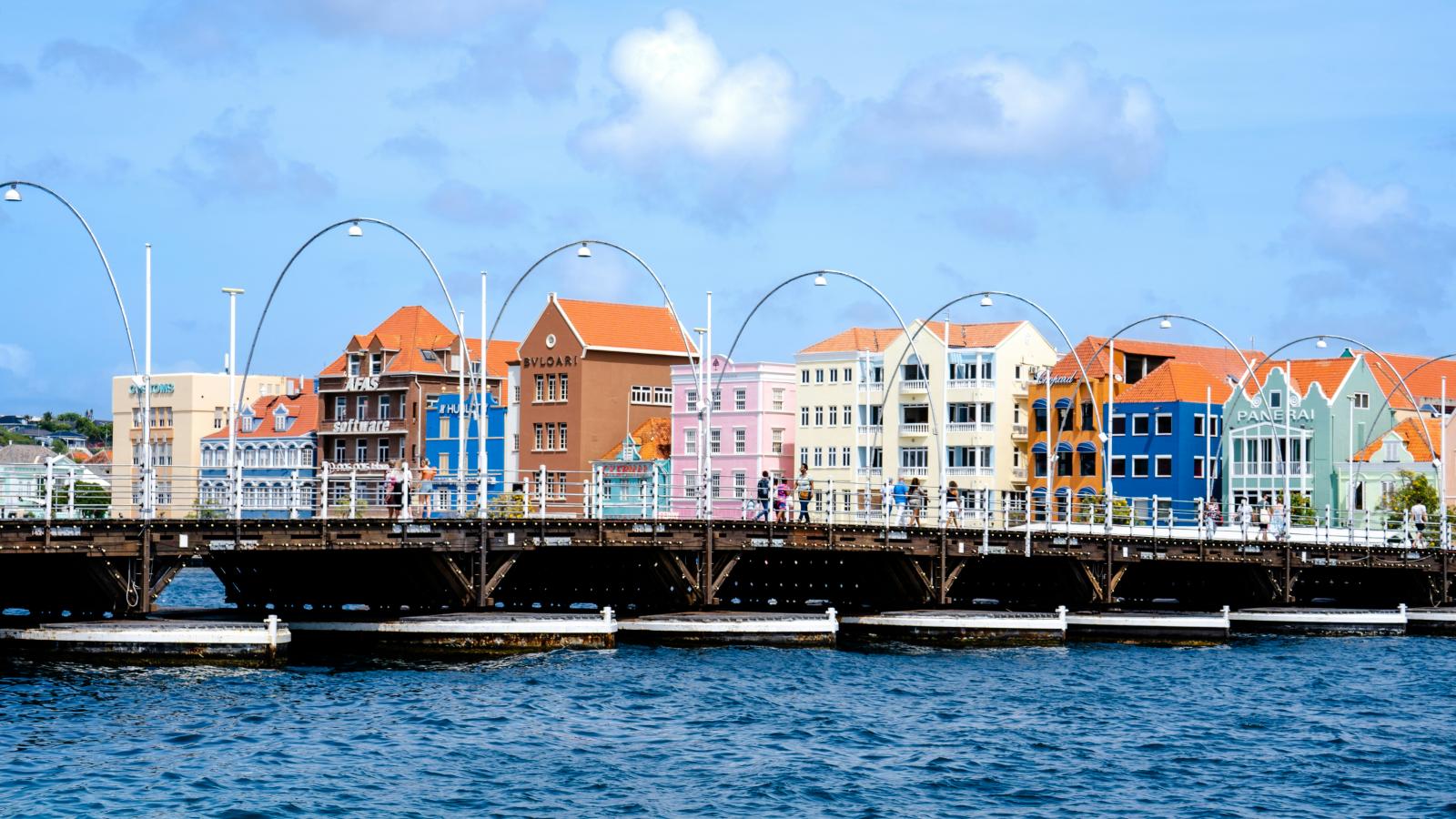
Overview
Prior to its dissolution on 10 October 2010, corporate governance in the Netherlands Antilles was based on a civil law system influenced by Dutch legal principles and corporate legislation. The governance framework emphasized board accountability, financial transparency, shareholder protection, and prudent corporate management, particularly within the financial services sector, which formed a significant part of the territory's economy.
Companies generally operated under a board-based governance structure, with directors responsible for determining corporate strategy, supervising business operations, ensuring legal compliance, and safeguarding the interests of shareholders. Directors owed fiduciary duties to the company and were expected to exercise due care, diligence, and good faith in carrying out their responsibilities.
Corporate governance was characterized by:
- board responsibility for strategic leadership and corporate oversight
- transparent financial reporting and statutory disclosure obligations
- protection of shareholder rights and equitable treatment of investors
- internal control and risk management practices, particularly in regulated sectors
- regulatory supervision of financial institutions and trust companies
The financial services industry, including banking, insurance, investment services, and offshore financial activities, maintained the most developed governance practices. Financial institutions were subject to comprehensive regulatory oversight and were required to establish sound internal controls, risk management systems, compliance functions, and governance arrangements consistent with internationally accepted supervisory standards.
Many companies operating within the jurisdiction were subsidiaries of multinational corporations or international holding structures. As a result, governance practices frequently reflected both local legal requirements and broader international corporate governance principles adopted by their parent organizations.
State-owned enterprises and public bodies were also subject to governance reforms aimed at improving accountability, operational efficiency, and financial oversight. These initiatives sought to strengthen public sector governance while supporting investor confidence and economic stability.
Corporate governance in the Netherlands Antilles continued to evolve through legal and regulatory reforms designed to enhance transparency, improve regulatory supervision, and align the jurisdiction with international expectations relating to financial regulation and corporate accountability. Following the constitutional dissolution of the Netherlands Antilles in 2010, responsibility for corporate governance became vested in the successor jurisdictions, each developing its own regulatory and governance framework.
References
Central Bank of the Netherlands Antilles (Archived)
https://www.centralbank.cw/legacy
World Bank – Netherlands Antilles (Archived Data)
https://data.worldbank.org/country/netherlands-antilles
Organisation for Economic Co-operation and Development (OECD) – Corporate Governance Resources
https://www.oecd.org/corporate/
Contact
Central Bank of the Netherlands Antilles (Historical – Institution succeeded by the Central Bank of Curaçao and Sint Maarten)
Former Address: Simon Bolivar Plein 1, Willemstad, Curaçao, Netherlands Antilles
Former Phone: +599 9 434 5500
Website (Successor Institution): https://www.centralbank.cw/
Disclaimer: This information was collected in April 2026 using AI tools and may contain errors or be out of date. Please submit any updates to: admin@ecgi.org